
Sanatan SansaarSanatan SansaarSanatan Sansaar
होम
सनातन बाज़ार
सनातन पूजासनातन सेवासनातन उपहार
हमारे बारे मेंसनातनक्लब
ज्योतिषी से परामर्श करें
  1. होम
  2. संस्कार
  3. Nagp Anchami 2026 Date Significance Puja Vidhi
Loading…
Sanatan Sansaar

सेवा, ज्ञान और परंपरा के माध्यम से धर्म को पुनर्जीवित करना.

प्रामाणिक ज्ञान
समुदाय संचालित
परंपरा में निहित
विश्वसनीय और सुरक्षित
हमारी सेवाएं
  • सनातन बाज़ार
  • सनातन पूजा
  • सनातन सेवा
  • दिव्य ज्योतिष
  • वैदिक वास्तु
  • मंदिर
  • आयोजन
त्वरित लिंक
  • होम
  • हमारे बारे में
  • संपर्क करें
कानूनी
  • अस्वीकरण
  • सेवा की शर्तें
  • गोपनीयता नीति
  • रिफंड, वापसी और रद्दीकरण नीति
  • शिपिंग और डिलीवरी नीति
हमसे जुड़ें

बिल्डिंग नं. 2, जनक सिनेमा के पास, सी-ब्लॉक जनकपुरी, पंखा रोड

नई दिल्ली

सोम–शनि: सुबह 9:00 – शाम 6:00

ऐप पर निःशुल्क

ऐप पर अपनी निःशुल्क कुंडली रिपोर्ट पाएं

अपनी कुंडली सहेजने और अधिक व्यक्तिगत ज्योतिष जानकारी पाने के लिए ऐप डाउनलोड करें।

Download on theApp StoreGet it onGoogle Play
© 2026 सिनोनिम्स ऑनलाइन प्राइवेट लिमिटेड ॐबनाया गयाधर्म और भक्तों के लिए
Loading…

Nag Panchami 2026 Date & Timings

Most of India

●     Nag Panchami: Monday, August 17, 2026

●     Nag Panchami puja muhurat starts at 5:51 AM and ends at 8:29 AM

●     Panchami tithi starts at 4:52 PM on Sunday, August 16, 2026

●     Panchami tithi ends at 5:00 PM on Monday, August 17, 2026

Gujarat

●     Nag Panchami: Tuesday, September 1, 2026

Why Are There Two Dates for Nag Panchami?

If you have noticed people celebrating Nag Panchami on different dates, there's a simple reason: not every region follows the same traditions while calculating the festival. Across most of India, Nag Panchami is observed on Shravan Shukla Panchami, which falls on August 17.

Meanwhile, in Gujarat, the festival is traditionally observed on Shravan Krishna Panchami. Since Gujarat follows the Amanta calendar, this Nag Panchami falls on September 1. Both dates are correct and are followed according to regional tradition.

Nag Panchami Significance

Religiously, this festival is dedicated to the worship of Nag Devtas, who hold a sacred place in Sanatan Dharma. Nag Devtas are closely associated with Bhagwan Shiv, who wears the serpent king “Vasuki” around his neck, and Bhagwan Vishnu, who rests upon “Sheshnag”. This festival is also associated with Bhagwan Krishna, who conquered the deadly snake “Kaliya” and saved the people of Gokul from death. Since Nag Panchami falls during the holy month of Shravan, it is considered an even more auspicious occasion for worship and devotion.

However, besides having a religious significance, Nag Panchami also contains an important cultural message. During the monsoon, snakes naturally come out of their underground homes because of the rains. Nag Panchami reminds people to respect and protect them instead of harming them. In Hindu culture, the snakes also are considered the friends of farmers as they can prevent rodents from destroying agricultural products.

Nag Panchami Vrat Katha

The most well-known story of Nag Panchami is connected with King Janamejaya and Sage Astika. King Janamejaya's father, King Parikshit, lost his life after being bitten by Takshak Nag. Filled with anger, Janamejaya organised a powerful Sarpa Yajna to destroy every serpent.

As countless serpents began falling into the sacred fire, Sage Astika came to the yajna and requested the king to stop it. He explained that not every serpent was responsible for his father's death and that destroying an entire race would be unjust. The king listened to the sage's words and ended the yajna.

It is believed that this happened on Nag Panchami, and since then, devotees have worshipped Nag Devtas with respect instead of fear.

Another popular story tells how Bhagwan Krishna defeated Kaliya Nag, freeing the Yamuna River from his poisonous waters and protecting the people of Gokul.

What Devotees Do on Nag Panchami?

Devotees wake up early, take a bath, and wear clean clothes before beginning the day's worship. Many observe a vrat (fast) according to their health and family tradition and visit Nag Devta or Bhagwan Shiv temples to offer prayers. They offer milk, water, turmeric, kumkum, flowers, sweets, and kheer to Nag Devta idols or images.

In many homes, people draw or place images of Nag Devtas near the entrance as a symbol of protection. Devotees also avoid digging the soil, ploughing fields, or cutting grass on this day so that snakes are not harmed. Some also perform special prayers to seek relief from Kaal Sarp Dosh, according to their faith and family tradition.

Many devotees also listen/read the Nag Panchami vrat katha, chant “Sarve Nagah Priyantam Me Ye Kechit Prithivitale, Ye Cha Helimarichistha Ye-Antare Divi Samsthitaah” mantra, or perform “Kaal Sarp Dosh puja.”

Nag Panchami Puja Vidhi

●     Begin the day early with a bath and by wearing clean clothes

●     Clean and prepare the puja area

●     Take a pinch of rice and a coin in your right palm and set your sankalp, stating your name, your gotra, and your intention for this puja

●     Light a ghee diya and incense sticks

●     Offer water, milk, turmeric, kumkum, flowers, kheer, and sweets

●     Chant "Om Namah Shivaya" or "Om Navakulaya Vidmahe Vishadantaya Dhimahi Tanno Nagah Prachodayat"

●     Read the Nag Panchami vrat katha

● Perform the aarti and offer charity according to your ability

Frequently Asked Questions

When is Nag Panchami in 2026?

Nag Panchami will be observed on Monday, August 17, 2026, across most parts of India. In Gujarat, the festival will be celebrated on Tuesday, September 1, 2026, according to local tradition.

What is the best time to perform the Nag Panchami puja in 2026?

Puja muhurat is from 5:51 AM to 8:29 AM.

Is it necessary to offer milk to a live snake?

No. Today, many devotees offer milk to a Nag Devta idol or image instead. As doing so, allows the ritual to be performed without causing harm to living snakes.

Can I book a Kaal Sarp Dosh Puja online on Nag Panchami?

Yes. If you cannot visit a temple, you can book a Nag Panchami Kaal Sarp Dosh Puja online through Sanatan Sansaar. The puja is performed by experienced pandits in your name and gotra. Plus, the package starts from just Rs 101.

Festival

Nag Panchami 2026: Date, Significance & Puja Vidhi

Sanatan Sansaar|7 अगस्त 2026|4 मिनट पढ़ें|
Nag Panchami 2026: Date, Significance & Puja Vidhi

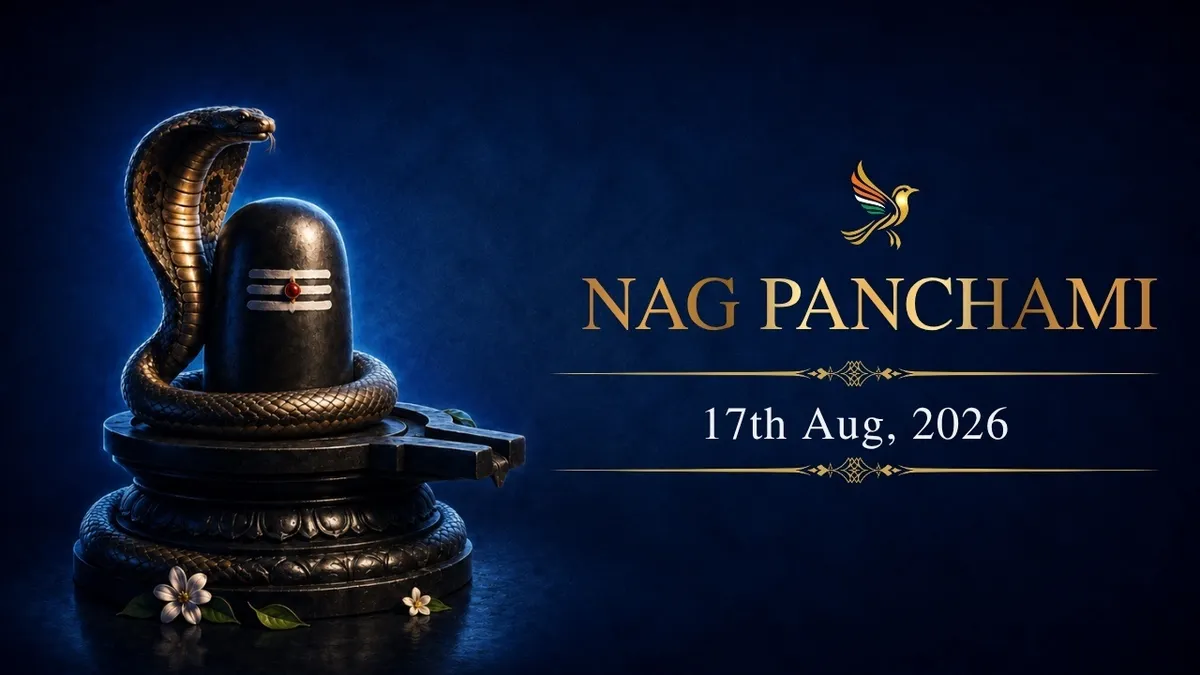
Nag Panchami will be observed on Monday, August 17, 2026, across most parts of India. In Gujarat, where a different lunar calendar is followed, Nag Panchami will be observed on Tuesday, September 1, 2026. This sacred festival is dedicated to Nag Devtas.

Nag Panchami 2026 Date & Timings

Most of India

  • Nag Panchami: Monday, August 17, 2026
  • Nag Panchami puja muhurat starts at 5:51 AM and ends at 8:29 AM
  • Panchami tithi starts at 4:52 PM on Sunday, August 16, 2026
  • Panchami tithi ends at 5:00 PM on Monday, August 17, 2026

Gujarat

  • Nag Panchami: Tuesday, September 1, 2026

Why Are There Two Dates for Nag Panchami?

If you have noticed people celebrating Nag Panchami on different dates, there's a simple reason: not every region follows the same traditions while calculating the festival. Across most of India, Nag Panchami is observed on Shravan Shukla Panchami, which falls on August 17.

Meanwhile, in Gujarat, the festival is traditionally observed on Shravan Krishna Panchami. Since Gujarat follows the Amanta calendar, this Nag Panchami falls on September 1. Both dates are correct and are followed according to regional tradition.

Nag Panchami Significance

Religiously, this festival is dedicated to the worship of Nag Devtas, who hold a sacred place in Sanatan Dharma. Nag Devtas are closely associated with Bhagwan Shiv, who wears the serpent king “Vasuki” around his neck, and Bhagwan Vishnu, who rests upon “Sheshnag”. This festival is also associated with Bhagwan Krishna, who conquered the deadly snake “Kaliya” and saved the people of Gokul from death. Since Nag Panchami falls during the holy month of Shravan, it is considered an even more auspicious occasion for worship and devotion.

However, besides having a religious significance, Nag Panchami also contains an important cultural message. During the monsoon, snakes naturally come out of their underground homes because of the rains. Nag Panchami reminds people to respect and protect them instead of harming them. In Hindu culture, the snakes also are considered the friends of farmers as they can prevent rodents from destroying agricultural products.

Nag Panchami Vrat Katha

The most well-known story of Nag Panchami is connected with King Janamejaya and Sage Astika. King Janamejaya's father, King Parikshit, lost his life after being bitten by Takshak Nag. Filled with anger, Janamejaya organised a powerful Sarpa Yajna to destroy every serpent.

As countless serpents began falling into the sacred fire, Sage Astika came to the yajna and requested the king to stop it. He explained that not every serpent was responsible for his father's death and that destroying an entire race would be unjust. The king listened to the sage's words and ended the yajna.

It is believed that this happened on Nag Panchami, and since then, devotees have worshipped Nag Devtas with respect instead of fear.

Another popular story tells how Bhagwan Krishna defeated Kaliya Nag, freeing the Yamuna River from his poisonous waters and protecting the people of Gokul.

What Devotees Do on Nag Panchami?

Devotees wake up early, take a bath, and wear clean clothes before beginning the day's worship. Many observe a vrat (fast) according to their health and family tradition and visit Nag Devta or Bhagwan Shiv temples to offer prayers. They offer milk, water, turmeric, kumkum, flowers, sweets, and kheer to Nag Devta idols or images.

In many homes, people draw or place images of Nag Devtas near the entrance as a symbol of protection. Devotees also avoid digging the soil, ploughing fields, or cutting grass on this day so that snakes are not harmed. Some also perform special prayers to seek relief from Kaal Sarp Dosh, according to their faith and family tradition.

Many devotees also listen/read the Nag Panchami vrat katha, chant “Sarve Nagah Priyantam Me Ye Kechit Prithivitale, Ye Cha Helimarichistha Ye-Antare Divi Samsthitaah” mantra, or perform “Kaal Sarp Dosh puja.”

Nag Panchami Puja Vidhi

  • Begin the day early with a bath and by wearing clean clothes
  • Clean and prepare the puja area
  • Take a pinch of rice and a coin in your right palm and set your sankalp, stating your name, your gotra, and your intention for this puja
  • Light a ghee diya and incense sticks
  • Offer water, milk, turmeric, kumkum, flowers, kheer, and sweets
  • Chant "Om Namah Shivaya" or "Om Navakulaya Vidmahe Vishadantaya Dhimahi Tanno Nagah Prachodayat"
  • Read the Nag Panchami vrat katha
  • Perform the aarti and offer charity according to your ability

अक्सर पूछे जाने वाले प्रश्न

When is Nag Panchami in 2026?

Nag Panchami will be observed on Monday, August 17, 2026, across most parts of India. In Gujarat, the festival will be celebrated on Tuesday, September 1, 2026, according to local tradition.

What is the best time to perform the Nag Panchami puja in 2026?

Puja muhurat is from 5:51 AM to 8:29 AM.

Is it necessary to offer milk to a live snake?

No. Today, many devotees offer milk to a Nag Devta idol or image instead. As doing so, allows the ritual to be performed without causing harm to living snakes.

Can I book a Kaal Sarp Dosh Puja online on Nag Panchami?

Yes. If you cannot visit a temple, you can book a Nag Panchami Kaal Sarp Dosh Puja online through Sanatan Sansaar. The puja is performed by experienced pandits in your name and gotra. Plus, the package starts from just Rs 101.

अनुशंसित उत्पाद