
Loading…
Festival
Masik Shivaratri July 2026: Date & Ritual
Sanatan Sansaar|12 July 2026|4 min read|
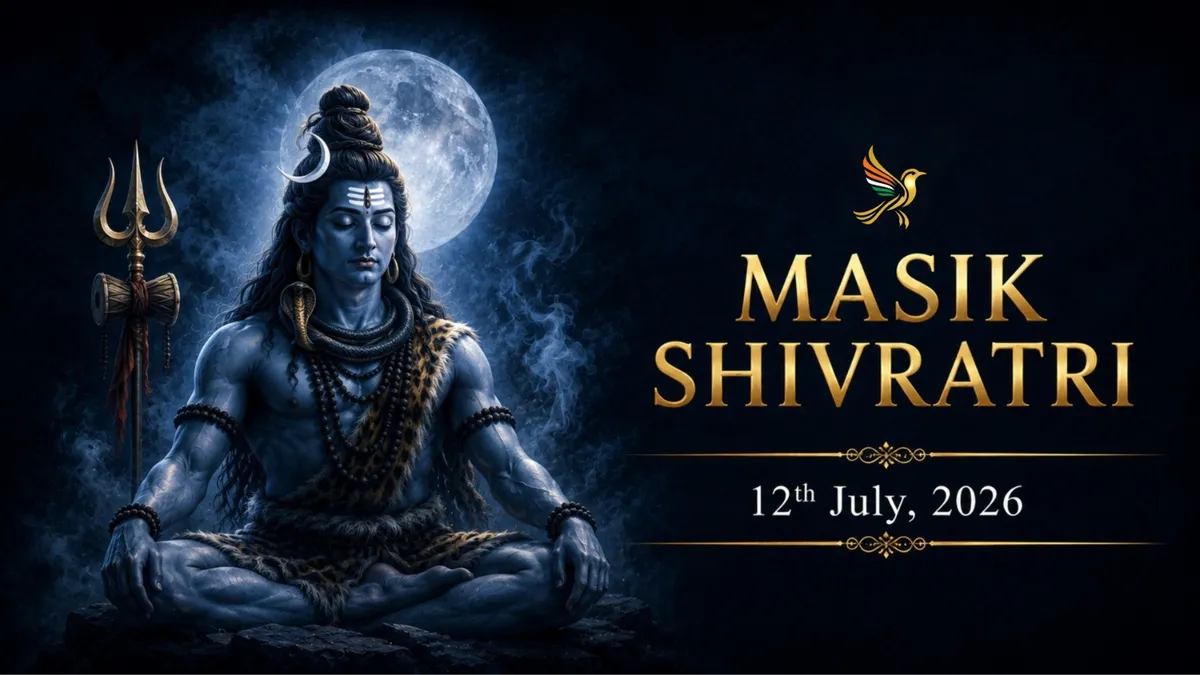
Masik Shivaratri will be observed on Sunday, 12 July 2026. This sacred vrat is observed every month on the Chaturdashi Tithi of Krishna Paksha and is dedicated to the worship of Bhagwan Shiv.
Masik Shivaratri July 2026 Tithi Timings
• Chaturdashi Tithi starts at 10:29 PM on 12 July 2026
• Chaturdashi Tithi ends at 06:49 PM on 13 July 2026
• Nishita Puja Muhurat is between 12:07 AM and 12:47 AM on 13 July 2026
What is the Significance of Masik Shivaratri?
Shivaratri is celebrated once a year with great joy and devotion. But Masik Shivaratri is celebrated every month and gives devotees an opportunity to strengthen their devotion to Bhagwan Shiv throughout the year.
As per Hindu beliefs, worshipping Bhagwan Shiv on Masik Shivaratri helps overcome fear, difficulties, and negative thoughts. For many devotees, this sacred day is dedicated to prayer, bhajans, and vrat.
What is the Story Behind Masik Shivaratri?
The Masik Shivaratri story is rooted in the same epic legend: Samudra Manthan.
During the churning of the ocean by the Devas and Asuras, many divine things emerged from the sea. But before Amrit (nectar of immortality) appeared, a deadly poison called “Halahal” came out of the ocean. It was so powerful that it could have easily destroyed the entire universe.
Frightened by Halahal, all the Devas started praying to Bhagwan Shiv for help. To protect every living being, Mahadev consumed the poison without thinking about himself.
When Maa Parvati saw this, she gently held Bhagwan Shiv’s throat so that the poison would not spread throughout his body. Because of this, Bhagwan Shiv’s throat turned blue, and from that day onwards, he also came to be known as Neelkanth.
Later, the Devas realised that they had forgotten to worship Mahadev before beginning the Samudra Manthan. Filled with devotion and gratitude, they prayed to Bhagwan Shiv during the evening time of Trayodashi Tithi and asked for his forgiveness. Pleased with their prayers, Mahadev forgave them and blessed them.
Since then, devotees have been worshipping Mahadev during Pradosh Kaal with devotion and faith to seek his blessings and protection.
What Devotees Do on Masik Shivaratri?
On Masik Shivaratri, devotees wake up early in the morning, take a bath, and wear clean clothes before beginning the vrat. Many people keep a strict fast and avoid grains (such as rice, oats, and corn), onions, garlic, and other tamasic foods throughout the day. Meanwhile, some devotees consume only fruits, milk, and simple sattvic food as part of the falahar vrat.
Throughout the day, devotees worship Bhagwan Shiv with milk, Panchamrit, bilva leaves, dhatura, flowers, fruits, incense, and diyas. Many spend time chanting the “Maha Mrityunjaya Mantra,” reading Shiva Sahasranama (1,000 names of Bhagwan Shiv), or listening to bhajans with devotion.
Many devotees also stay awake at night and spend time in prayer, bhakti, and meditation. In the spirit of devotion, many Sanatanis also offer food, clothes, and other essentials to Brahmins and the needy as seva.
Those who wish to participate in such devotional activities can also explore the sacred Sevas arranged by Sanatan Sansaar for this holy occasion.
Masik Shivaratri Puja Vidhi at Home
• Begin the day early with a bath and by wearing clean clothes.
• Prepare the puja area before placing the idol or image of Bhagwan Shiv.
• Light a diya and offer Gangajal, milk, flowers, and bel patra.
• Chant “Om Namah Shivaya” or recite “Mahamrityunjaya Mantra.”
• Pray to Bhagwan Shiv for peace, prosperity, and happiness in life.
• End the puja with aarti and charity.
FAQs
What’s the most preferred time to worship Bhagwan Shiv on Masik Shivaratri?
The evening time around sunset, known as Pradosh Kaal, is considered the most auspicious time to worship Bhagwan Shiv.
Where can I get original Ganga Jal and puja items for Masik Shivaratri?
Many devotees prefer trusted platforms such as Sanatan Sansaar to buy the necessary items, such as Ganga Jal, diyas, incense, bel patra, and other sacred items needed for Masik Shivaratri.
What is the difference between Masik Shivaratri and Maha Shivaratri?
Masik Shivaratri is observed every month on the Chaturdashi Tithi of Krishna Paksha. Meanwhile, Maha Shivaratri is celebrated once a year.
Is it necessary to visit a Shiv temple on Masik Shivaratri?
No. It’s not necessary. If you are unable to visit a Shiv temple because of any medical or personal reason, you can worship Bhagwan Shiv at home.
Can I drink water while observing vrat on Masik Shivaratri?
Whether you can drink water while observing Masik Shivaratri vrat depends entirely on the level of fasting you choose to follow. If you choose a water-only fast (Jalahar), then you can only drink water, and no solid food. If you choose a partial fast (Phalahar), you can drink water, milk, and consume fruits. And, if you choose strict Nirjala fast, then you cannot consume anything.