

Sanatan SansaarSanatan SansaarSanatan Sansaar
HomeSanatan BazaarSanatan PujaSanatan Seva
About Us
  1. Home
  2. Sanskar
  3. Kajari Teej 2026 Date Significance Rituals

Kajari Teej 2026 Date & Timings

  • Bhadrapada Krishna Tritiya Tithi starts at 9:36 AM on August 30.

  • Bhadrapada Krishna Tritiya Tithi ends at 8:50 AM on August 31.

Since the Tritiya Tithi is present at sunrise on August 31, the Kajari Teej vrat will be observed on that day.

Why Is Kajari Teej Celebrated?

Kajari Teej is associated with the devotion of Maa Parvati to Bhagwan Shiv. Women worship the divine couple and pray for love, harmony and well-being in married life. Married women observe the vrat for their husbands’ long life and good health. Some also pray for peace and happiness in the family. Unmarried women observe the vrat with the wish for a loving and suitable partner.

The festival also reflects the beauty of the monsoon. Kajari songs, swings, mehendi and traditional gatherings are part of the celebrations in many regions.

Kajari Teej Vrat Katha

A popular Kajari Teej katha tells the story of a poor Brahmin and his devoted wife. The Brahmin's wife wanted to observe Kajari Teej with devotion, but the family had no money to buy sattu (roasted gram flour preparation) for the puja. Unable to arrange it, the Brahmin took some flour, ghee and sugar from a shop at night. Caught by the guards, the Brahmin explained that he had taken the ingredients needed to prepare sattu so that his wife could complete the Teej vrat puja.

After hearing this, the owner was moved by the couple's devotion. He forgave the Brahmin and gave him sattu along with other items needed for the celebration. The couple completed the puja with faith.

What Is the Significance of Neem Puja on Kajari Teej?

Neem puja is an important tradition of Kajari Teej in several regions. A neem branch is placed in a small earthen setup and worshipped as Neemdi Mata, a form of Maa Parvati. Women offer roli, akshat, flowers, mehendi, sindoor and other shringar items to Neemdi Mata. The neem branch is then worshipped along with Bhagwan Shiv and Maa Parvati.

Neem has long been valued for its medicinal and protective qualities. Its presence during the monsoon also connects the festival with nature and traditional ways of caring for health.

Kajari Teej Vrat Rules

Devotees observing Kajari Teej generally follow these traditional vrat rules:

  • Observe a fast without food and water throughout the day.

  • Maintain purity in thoughts, words and actions.

  • Avoid anger, arguments and negative behaviour.

  • Spend time in prayer, chanting and spiritual activities.

  • Break the fast by offering arghya to the Moon (Chandra Bhagwan).

Many devotees keep a strict fast, while some consume only fruits, milk and simple sattvic food as part of a phalahari vrat. However, senior citizens, expectant mothers and those with health concerns should consult their doctor and family before performing the vrat.

Kajari Teej Puja Vidhi

  • Wake up early.

  • Take a bath and wear clean clothes.

  • Worship Neemdi Mata by offering roli, akshat, flowers, mehendi, sindoor and other shringar items.

  • Offer water, milk, Panchamrit and bilva leaves to Bhagwan Shiv, and kumkum, haldi, flowers and fruits to Maa Parvati.

  • Read or listen to the Kajari Teej vrat katha.

  • Perform evening aarti and offer arghya to the Moon. Then break the fast according to your family tradition.

Frequently Asked Questions

Can I consume water during Kajari Teej vrat?

According to Hindu customs, no. However, senior citizens, expectant mothers, and those having some health concerns should consult their doctor before performing the vrat.

Who observes Kajari Teej?

Mostly unmarried girls and married women. Unmarried girls keep it hoping for a good husband. Married women keep it too, but their prayer is different, they want their husband's long life and a happy, prosperous home.

What to do if I am unable to complete the Kajari Teej vrat?

In case of health concerns or other reasons, if you are unable to complete the Kajari Teej vrat, there is nothing to worry about. Pray for forgiveness from Bhagwan Shiv and Maa Parvati and if possible, continue fasting.

How can I prepare for Kajari Teej?

You can prepare by arranging puja items like Tulsi leaves, diya, incense, and Ganga Jal in advance. Many devotees choose trusted platforms like Sanatan Sansaar to buy all essential items from one place.

Kajari Teej 2026: Date, Significance & Rituals
Festival

Kajari Teej 2026: Date, Significance & Rituals

Kajari Teej will be observed on Monday, August 31, 2026. It is one of the three major Teej festivals celebrated during the monsoon season. It is dedicated to Maa Parvati and Bhagwan Shiv and is mainly observed by women in parts of Rajasthan, Uttar Pradesh, Madhya Pradesh and Bihar.

Kajari Teej is also known as Kajali Teej, Kajri Teej, Badi Teej and Satudi Teej. The festival falls on the Tritiya Tithi of Krishna Paksha in the month of Bhadrapada.

Sanatan Sansaar|25 August 2026|4 min read|
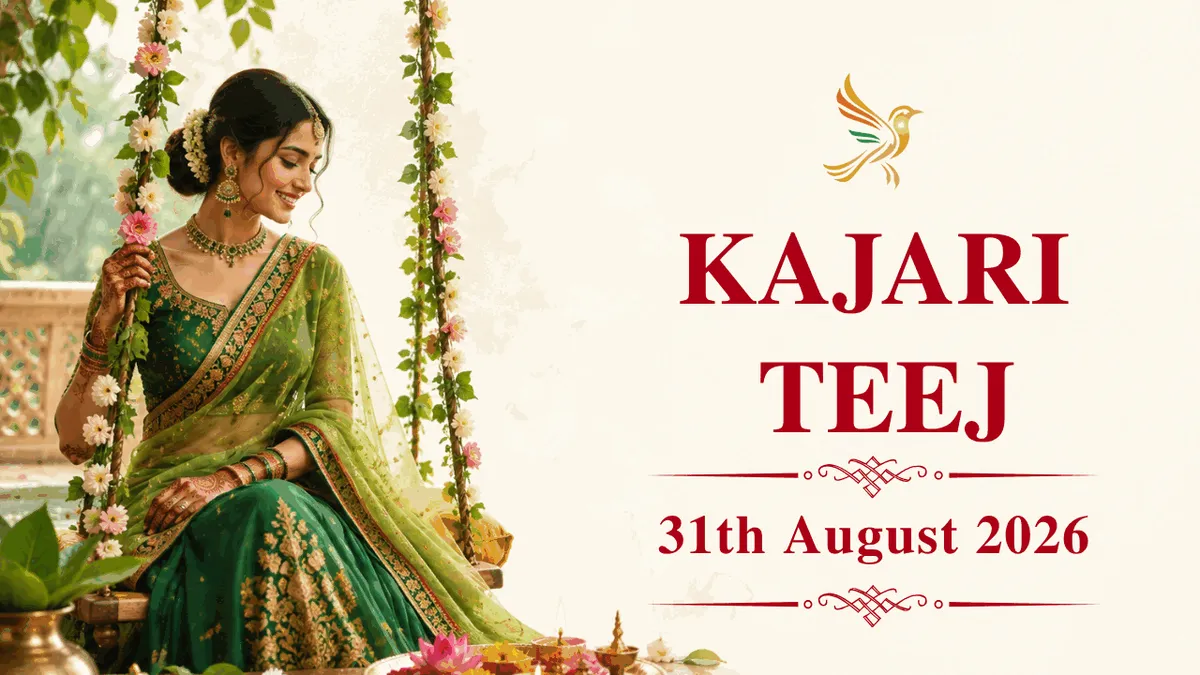
Kajari Teej 2026 Date & Timings

  • Bhadrapada Krishna Tritiya Tithi starts at 9:36 AM on August 30.

  • Bhadrapada Krishna Tritiya Tithi ends at 8:50 AM on August 31.

Since the Tritiya Tithi is present at sunrise on August 31, the Kajari Teej vrat will be observed on that day.

Why Is Kajari Teej Celebrated?

Kajari Teej is associated with the devotion of Maa Parvati to Bhagwan Shiv. Women worship the divine couple and pray for love, harmony and well-being in married life. Married women observe the vrat for their husbands’ long life and good health. Some also pray for peace and happiness in the family. Unmarried women observe the vrat with the wish for a loving and suitable partner.

The festival also reflects the beauty of the monsoon. Kajari songs, swings, mehendi and traditional gatherings are part of the celebrations in many regions.

Kajari Teej Vrat Katha

A popular Kajari Teej katha tells the story of a poor Brahmin and his devoted wife. The Brahmin's wife wanted to observe Kajari Teej with devotion, but the family had no money to buy sattu (roasted gram flour preparation) for the puja. Unable to arrange it, the Brahmin took some flour, ghee and sugar from a shop at night. Caught by the guards, the Brahmin explained that he had taken the ingredients needed to prepare sattu so that his wife could complete the Teej vrat puja.

After hearing this, the owner was moved by the couple's devotion. He forgave the Brahmin and gave him sattu along with other items needed for the celebration. The couple completed the puja with faith.

What Is the Significance of Neem Puja on Kajari Teej?

Neem puja is an important tradition of Kajari Teej in several regions. A neem branch is placed in a small earthen setup and worshipped as Neemdi Mata, a form of Maa Parvati. Women offer roli, akshat, flowers, mehendi, sindoor and other shringar items to Neemdi Mata. The neem branch is then worshipped along with Bhagwan Shiv and Maa Parvati.

Neem has long been valued for its medicinal and protective qualities. Its presence during the monsoon also connects the festival with nature and traditional ways of caring for health.

Kajari Teej Vrat Rules

Devotees observing Kajari Teej generally follow these traditional vrat rules:

  • Observe a fast without food and water throughout the day.

  • Maintain purity in thoughts, words and actions.

  • Avoid anger, arguments and negative behaviour.

  • Spend time in prayer, chanting and spiritual activities.

  • Break the fast by offering arghya to the Moon (Chandra Bhagwan).

Many devotees keep a strict fast, while some consume only fruits, milk and simple sattvic food as part of a phalahari vrat. However, senior citizens, expectant mothers and those with health concerns should consult their doctor and family before performing the vrat.

Kajari Teej Puja Vidhi

  • Wake up early.

  • Take a bath and wear clean clothes.

  • Worship Neemdi Mata by offering roli, akshat, flowers, mehendi, sindoor and other shringar items.

  • Offer water, milk, Panchamrit and bilva leaves to Bhagwan Shiv, and kumkum, haldi, flowers and fruits to Maa Parvati.

  • Read or listen to the Kajari Teej vrat katha.

  • Perform evening aarti and offer arghya to the Moon. Then break the fast according to your family tradition.

FAQs

Can I consume water during Kajari Teej vrat?

According to Hindu customs, no. However, senior citizens, expectant mothers, and those having some health concerns should consult their doctor before performing the vrat.

Who observes Kajari Teej?

Mostly unmarried girls and married women. Unmarried girls keep it hoping for a good husband. Married women keep it too, but their prayer is different, they want their husband's long life and a happy, prosperous home.

What to do if I am unable to complete the Kajari Teej vrat?

In case of health concerns or other reasons, if you are unable to complete the Kajari Teej vrat, there is nothing to worry about. Pray for forgiveness from Bhagwan Shiv and Maa Parvati and if possible, continue fasting.

How can I prepare for Kajari Teej?

You can prepare by arranging puja items like Tulsi leaves, diya, incense, and Ganga Jal in advance. Many devotees choose trusted platforms like Sanatan Sansaar to buy all essential items from one place.

Sanatan Sansaar

Reviving Dharma through Seva, Knowledge & Tradition.

Authentic Wisdom
Community Driven
Rooted in Tradition
Trusted & Secure
Our Services
  • Sanatan Bazaar
  • Sanatan Puja
  • Sanatan Seva
  • Divya Jyotish
  • Vedic Vaastu
  • Temples
  • Events
Quick Links
  • Home
  • About Us
  • Contact Us
Legal
  • Disclaimer
  • Terms and Conditions
  • Privacy Policy
  • Refund, Return & Cancellation Policy
  • Shipping Policy
Connect With Us

Building No. 2, Janak Cinema Complex, Janakpuri

New Delhi, India 110058

Mon–Sat: 9:00 AM – 6:00 PM

Get the App

Scan the code or grab it from your store — your spiritual companion, anywhere.

Download on the
App Store
GET IT ON
Google Play
App QR Code
Scan to Download
© 2026 Synonyms Online Pvt. Ltd. All Rights Reserved.ॐMade withfor Dharma & Devotees